Natural Birth vs. Cesarean Section: Myths and facts every expectant mother should know
Pregnancy is an exciting journey filled with anticipation, but also with many questions. One of the most common is: Is natural birth better than a cesarean section?
The truth is that there is no one-size-fits-all answer. Every pregnancy is unique, and the safest method of delivery is the one that best protects both the mother and the baby. Unfortunately, many misconceptions surrounding childbirth can create unnecessary anxiety and unrealistic expectations.
Let's take a closer look at some of the most common myths and the facts behind them.
Myth: Natural birth is always the best option.
Fact: Vaginal delivery offers several benefits, including a shorter recovery period and a shorter hospital stay. However, there are situations where a cesarean section is the safest and most appropriate choice.
The decision should always be based on the mother's health, the progress of the pregnancy, and the recommendation of the healthcare provider—not on stories from friends or information found on social media.
Myth: A cesarean section is easier because there is no labor pain.
Fact: A cesarean section is a major surgical procedure.
Although anesthesia prevents pain during the operation, recovery is typically longer than after a vaginal birth. The surgical incision requires time to heal, and returning to normal daily activities may take several weeks.
Myth: If you've had one cesarean section, all future deliveries must also be by cesarean.
Fact: Not necessarily.
Many women can safely have a vaginal birth after a previous cesarean (VBAC), provided there are no medical contraindications. This decision is made individually after careful evaluation by the obstetrician.
Myth: Natural birth is dangerous for the baby.
Fact: In a healthy, uncomplicated pregnancy, vaginal birth is considered safe.
During labor, the medical team continuously monitors both the mother's condition and the baby's heart rate. If any signs of concern arise, a cesarean section can be performed promptly when medically necessary.
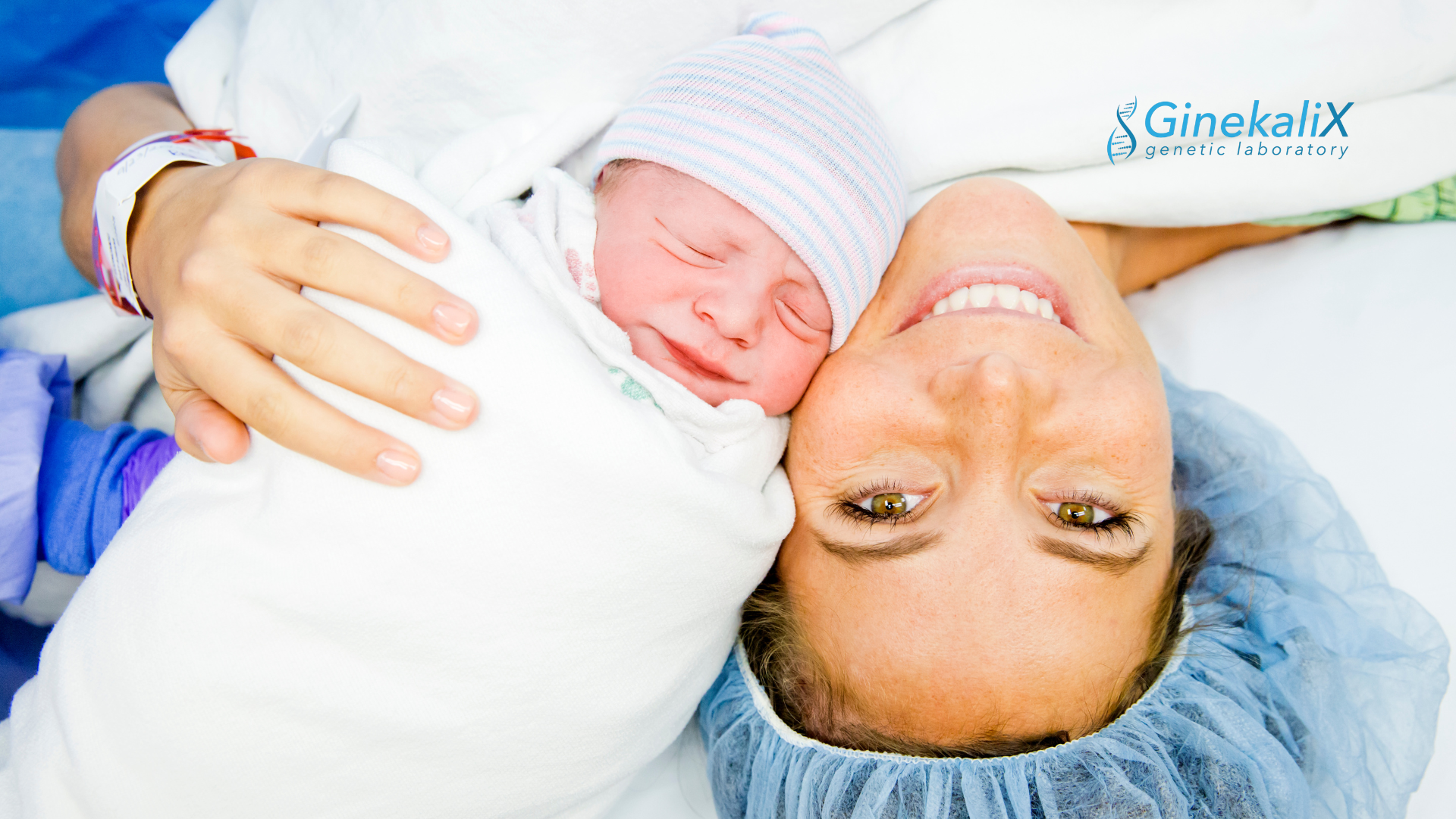
Myth: Mothers cannot bond with their baby immediately after a cesarean section.
Fact: Today, many maternity hospitals encourage early skin-to-skin contact after a cesarean delivery whenever the health of both mother and baby allows.
This early contact promotes emotional bonding, supports breastfeeding, and offers important benefits for both mother and newborn.
Myth: The type of delivery is the only factor that affects recovery.
Fact: Recovery depends on many factors, including the course of pregnancy, possible complications, the mother's overall health, physical condition, and the quality of postpartum care.
Every woman recovers differently, regardless of whether she has a vaginal birth or a cesarean section.
Being Informed Is the Best Preparation
Modern medicine allows pregnancies to be monitored more closely than ever before. Regular prenatal check-ups, screening tests, and genetic analyses can provide valuable information about your baby's health throughout pregnancy, helping healthcare professionals identify potential risks early and support informed decision-making.
Early knowledge empowers parents and medical teams to plan the most appropriate care throughout pregnancy and delivery.
The Most Important Thing Is the Health of Both Mother and Baby
There is no such thing as a "perfect" delivery - only a safe one.
Whether your baby is born through vaginal delivery or by cesarean section, the most important thing is that the decision is based on medical evidence and your individual circumstances rather than myths or misinformation.
Stay informed, attend your regular prenatal appointments, communicate openly with your healthcare provider, and trust evidence-based medicine. These are the best steps you can take toward a healthy pregnancy, a safe delivery, and the best possible start for your baby.